![ISI Japanese Language School [Official]](https://www.isi-education.com/wp/wp-content/uploads/2026/06/logo_isi_wh.svg)

Employment
For those aiming to find employment in Japan
Now Accepting Long-Term Student Applications for April 2027 Enrollment
Apply Now
Job hunting in Japan requires more than just language ability. It also calls for business etiquette, an understanding of corporate culture, and the chance to meet "the companies that need you."
ISI has a proven track record of placing many international students into employment, along with a strong network of companies that actively hire international students.
Make Employment in Japan a Reality.
If you're aiming to find employment in Japan, come to ISI Japanese Language School.
-

- A Dedicated "Course" for Finding Employment in Japan
- ISI is one of the few Japanese language schools in Japan to offer courses and programs specifically dedicated to job hunting and career support.
-

- "Practical Classes" to Help You Land a Job Offer
- At the Career Japanese Campuses, we offer practical classes to help you build the skills needed for job hunting, including resume writing and interview preparation.
-

- Professional "One-on-One Support"
- Dedicated advisors work with you individually, providing careful support from choosing the right job to applying for your visa.
-

- Opportunities to "Connect Directly" with Companies
- ISI hosts numerous exclusive employment events, giving you the chance to directly appeal to company recruiters on campus.
-

- ISI's Own "Job Network"
- We partner with our group's staffing agency business, "Global Reach." Search job listings for international students anytime, right from your smartphone.
-

- A Track Record of "Over 80%" Job Offer Success
- Every year, many of our graduates go on to find employment in Japan. This proven track record is a testament to the quality and reliability of ISI's support.
Job Offer Results
Courses Leading to Employment
-
 ~ 2 yearsAcademic Japanese Course
- For those aiming to enter university or graduate school
- For those who want to build well-rounded Japanese skills
-
 ~ 2 yearsCareer Japanese Course
- For those aiming to find employment or change careers in Japan
- For those who want to learn business Japanese and job-hunting skills
-
 2 Weeks +Short-Term Career Japanese Course
- For those staying (or planning to stay) in Japan on a visa other than a student visa
- For those who want to learn business Japanese and Japanese corporate culture
-
 4 Weeks +Evening Course
- For those who want to make effective use of their time after 7 PM
- For those who want to improve their overall Japanese ability
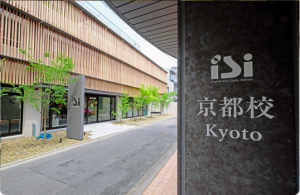
A School Where You Can Pursue Employment
We support international students aiming to find employment in Japan. Even outside the Career Campuses, our career support programs help you build the skills you need.




Now Accepting Long-Term Student Applications for April 2027 Enrollment
Apply NowLearn About Our Career Support Through Videos.



Student Interviews

- Ong From Malaysia
- "I believe the most important thing in job hunting is to take on every challenge, and to make the most of being a foreigner by showing that you have a different perspective from Japanese people."
Frequently Asked Questions About Employment in Japan
- Can I get a job in Japan even if I'm not confident in my Japanese level?
-
Yes, it's possible. ISI offers Japanese instruction tailored to your level, along with a program that lets you progressively learn business Japanese and the expressions used in interviews. You can build the skills needed for employment while growing your Japanese proficiency.
- What makes ISI Japanese Language School's job-hunting support different?
-
ISI provides one-stop job-hunting support. Many other Japanese language schools outsource job-hunting support to external providers, but at ISI, this support is provided directly by our own teachers. Having a teacher who knows you well provide this support, and the peace of mind of being able to ask questions at any time, leads to better outcomes for everyone. In addition, ISI staff handle everything from reviewing class content to communicating with prospective employer companies, allowing know-how to accumulate within the school and enabling us to provide even better job-hunting support.
- Am I a new graduate or a mid-career hire?
-
This is determined by the company. In general, if you have no prior work experience, you are treated as a "new graduate" for up to 3 years after graduation.



Our experienced counselors are here to guide you through every step, from choosing the right course to your move to Japan.