![ISI Japanese Language School [Official]](https://www.isi-education.com/wp/wp-content/uploads/2026/06/logo_isi_wh.svg)

2021.07.21 Update
yōkai
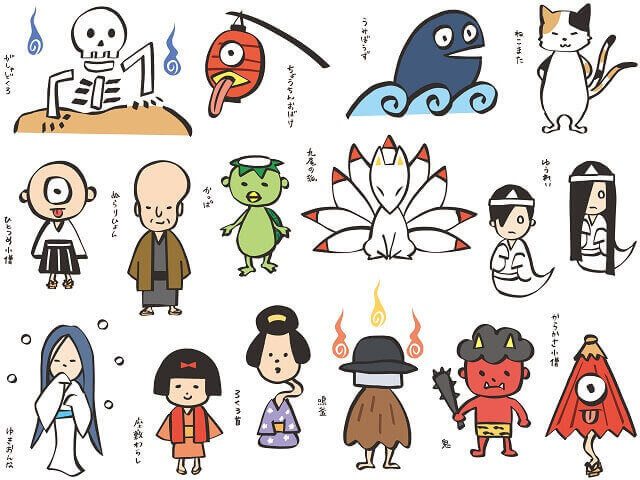
Today, let me introduce you to one of Japan's most intriguing cultures: yokai
Yokai are monsters, ghosts, and other supernatural beings that appear in Japanese mythology. They are as diverse as Japan's historical imagination, ranging from terrifying to tamed, strong to weak, and from villains to heroes.
Well-known yokai are stock characters that appear in countless ancient myths.
In Japan, it has long been believed that all things in this world possess a spiritual essence. The idea of reverently worshipping spiritual beings is passed down not only in shrines and temples but throughout Japanese culture as a whole.
Now, let me introduce some representative yokai.
kappa
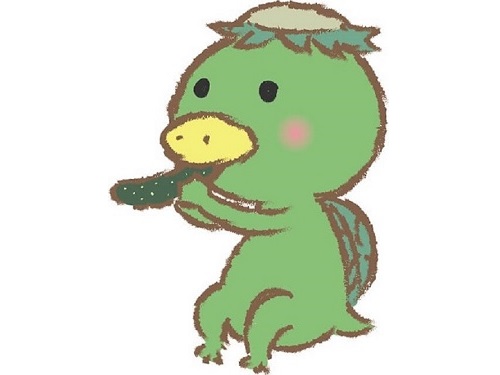
The kappa is a famous yokai that anyone in Japan knows. Its body is covered in green, and it has fins on its arms and legs. One of the kappa's features is the plate on top of its head. If this plate is broken or dries out, the creature becomes weak and eventually dies.
It inhabits water's edge areas like rivers and marshes, and it plays pranks on unfortunate people who fail while swimming in its habitat, such as pulling their legs and drowning them. Its favorite food is cucumber, and the cucumber sushi roll "kappa maki" is named after this creature.
ghost
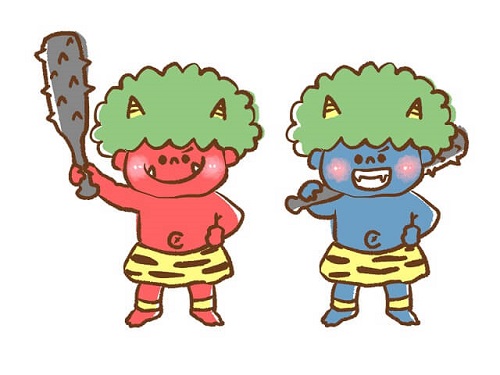
It is said that the creature closest to an ogre in the West is the ogre itself. The skin color varies among individuals, but red and blue are common. Ogres have one or two horns, large fangs, and sharp claws.
They carry various weapons, but the club is the most common weapon. Ogres are said to live in hell and have the role of punishing those who committed sins during their lifetime. The "Namahage Festival," designated as an intangible cultural asset of the country, uses ogre masks.
Tengu
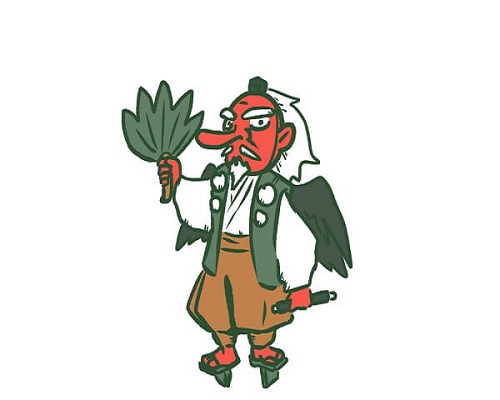
The Tengu is a yokai with a red face, a long nose, and dressed like a monk. It is feared by people as a creature that brings disaster, but it was also worshipped as a mountain god in various regions across the country.
Due to its distinctive appearance, it can also resemble the Japanese names of other animals that were brought to Japan long ago. Additionally, it is used as a metaphor for arrogant humans.
Japan has many yokai and many myths, some of which are region-specific, and their stories will continue to attract people's attention for a long time.
I hope to be able to write soon about my new adventure.



Our experienced counselors are here to guide you through every step, from choosing the right course to your move to Japan.