![ISI Japanese Language School [Official]](https://www.isi-education.com/wp/wp-content/uploads/2026/06/logo_isi_wh.svg)

2021.07.06 Update
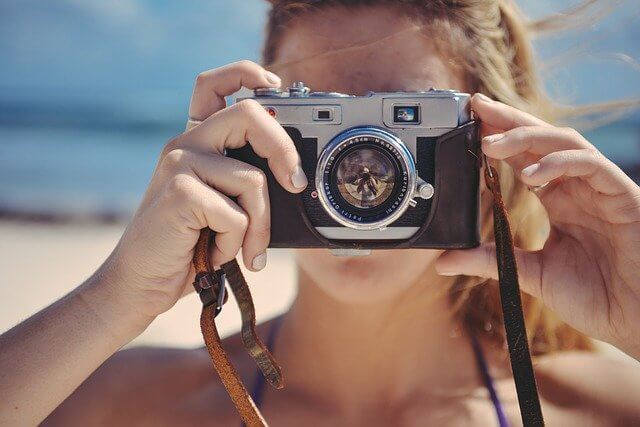
About photography in public places in Japan.
While living in Japan and visiting various places and participating in events, I learned that in many locations in Japan, taking photos is restricted or even prohibited.
It was when I went to a café that sells products inspired by a popular game developed by Square Enix. When I went with a friend, we were informed that photography was allowed during certain time slots, and that staff would notify us at that time. However, when the time came, we were only allowed to take photos of the drinks and food we ordered, and we were not permitted to take photos of the surroundings in the café. We were shocked, but the limited items were few, and they were only visible to visitors, so photography was prohibited.

This is my second experience. It involves taking photos at the gym, but this one was easy to understand.
Many gyms are relatively small, and the people who go there dislike having their privacy invaded or being disturbed during their workouts. I can understand that.
Rather, I thought it would be better to embrace that idea and focus on my activities in the gym instead of taking photos of myself or others.
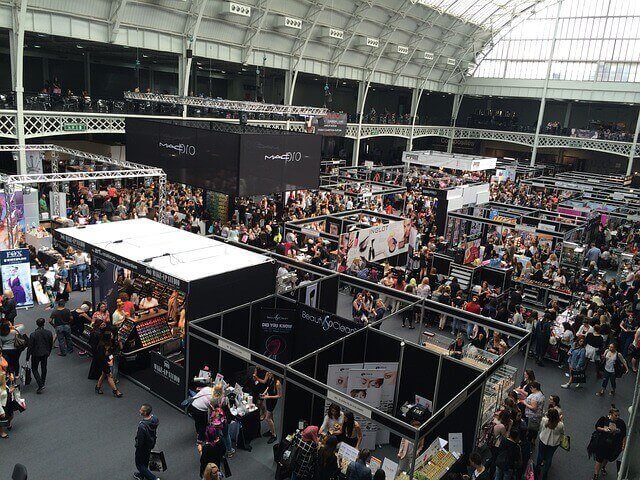
There are various places where photography is said to be prohibited, such as exhibitions, gaming events, museums, and while walking around the city.
I have also heard stories of people being stopped by the police for taking pictures of pedestrians, even if they were not arrested or charged with a serious crime.
However, they received warnings and were advised to avoid street photography and taking pictures of people because some consider it an invasion of privacy in Japan.
I had a similar experience at the Tokyo Game Show. While trying to record parts of gameplay footage and trailers, a security guard appeared and said it was "a violation of copyright," and I was told to delete the footage before turning off the camera. It seemed a bit unreasonable to me. The trailers were filmed by many people from the media and attendees at the event, and for developers, it is a great opportunity to promote their products and increase visibility.
That said, in Japan, many business scenes still hold onto old ideas. Recent data leaks are not to be mentioned, and there are cases where trailers or even physical products have leaked before their release dates.
Another important point is that if you upload videos or photos taken on Japanese social media for personal or business use, it is recommended to blur or remove the faces of unknown people from the photos to avoid future issues. (This does not apply if you have already obtained permission)
This does not mean that photography is generally prohibited in Japan; rather, it is quite the opposite.
With the Olympics approaching, Japan is trying to spread its image to the world while also being more welcoming to other cultures. Many people are utilizing the rise of the internet, and it is easy to find time to start a blog. Some Japanese bloggers create videos for overseas audiences.
Other bloggers share videos about traveling in Japan or their new lives, providing tips about living in Japan or visiting Japan to people from various countries or regions around the world. However, they are still cautious when recording, and it is best to ask in advance whether taking photos or videos is permitted to avoid potential issues and to prevent being seen as a target of attack. This can help avoid doing things that might cause problems.
Popular tourist spots such as temples, shrines, busy popular streets (like Shibuya Crossing, Harajuku, and Kabukicho in Shinjuku), and restaurants tend to be safe places and usually allow photography and videography.
With that, I will conclude this blog post. I hope it has been informative for everyone.



Our experienced counselors are here to guide you through every step, from choosing the right course to your move to Japan.