

2026.11.25 Update
Notice
Nine students from ISI Japanese Language School have been selected as scholarship recipients for the Ministry of Education, Culture, Sports, Science and Technology Foreign Student Learning Encouragement Fund.
Nine students from ISI Japanese Language School have been selected as scholarship recipients for the "Ministry of Education, Culture, Sports, Science and Technology Foreign Student Study Encouragement Fund" by the Japan Student Services Organization (JASSO). This time, we interviewed six of them studying at Shinjuku Campus, Takadanobaba Academic Pathway Campus, Kyoto Campus, and Osaka Campus about what motivated them to study in Japan, what they worked hard on in their first year, and their goals for the future.
Table of Contents
What is the study encouragement fund for foreign students by the Ministry of Education, Culture, Sports, Science and Technology?
The "Ministry of Education, Culture, Sports, Science and Technology Foreign Student Study Encouragement Fund" is a part of the Japan Student Services Organization (JASSO) "International Student Acceptance Promotion Program." It provides study encouragement funds to privately funded foreign students enrolled in universities, vocational schools, and Japanese Language Institutions who excel academically and personally, and meet the specified requirements.
Introduction of Scholarship Students

RAHAT MD (Bangladesh / ISI Shinjuku Campus)
RAHAT MD was attracted to Japanese culture, traditions, and the politeness of its people. In addition, he decided to study abroad because he wanted to acquire professional knowledge in Japan, where tourism and business have developed. He is currently deepening his studies in preparation for university.
Q. How did you feel when you learned that you were selected as a scholarship recipient for the study encouragement fund?
I felt very happy and as if my efforts so far had been recognized. Continuing to study in an unfamiliar environment was not easy, but I am truly glad that I have been working hard every day with a goal in mind. I also felt a renewed sense of gratitude towards the teachers and those around me who always support me. From now on, I want to continue studying with a desire for improvement and grow step by step towards realizing my dreams.
What did you particularly work hard on during your first year of study and school life?
A. Studying Japanese and actively participating in school events. I learned new words and expressions every day to accurately convey my thoughts in Japanese and continued to review them. As a result, I passed the Japanese Language Proficiency Test N2 and was able to win second place in a speech contest. I also took my classes seriously and valued each aspect of school life. It was a year in which I learned the importance of continuous effort.
Q. What were the difficulties you faced while living and studying in Japan, and what strategies did you use to overcome them?
A. Living away from my family, it was difficult to adapt to an unfamiliar environment. At first, I struggled to express my thoughts adequately in Japanese and had a hard time understanding the class content. Therefore, I made it a point not to leave any unfamiliar words or expressions unaddressed, and I researched them or asked my teachers questions. Additionally, I set a daily study schedule and continued to review little by little. From this experience, I learned the importance of not giving up in the face of difficulties and taking initiative.
Q. Please tell me about the studies you want to challenge, the skills you want to acquire, and your future goals.
A. I am considering studying business and tourism at university. I want to develop the ability to communicate my thoughts clearly in Japanese, as well as the skills to understand different cultures and values and adapt to others. My goal is to become a bridge between Japan and Bangladesh in the future, deepening the exchange between the two countries through tourism and business. To achieve this, I want to cherish each step I can take now, challenge myself in various ways, and grow as an individual.
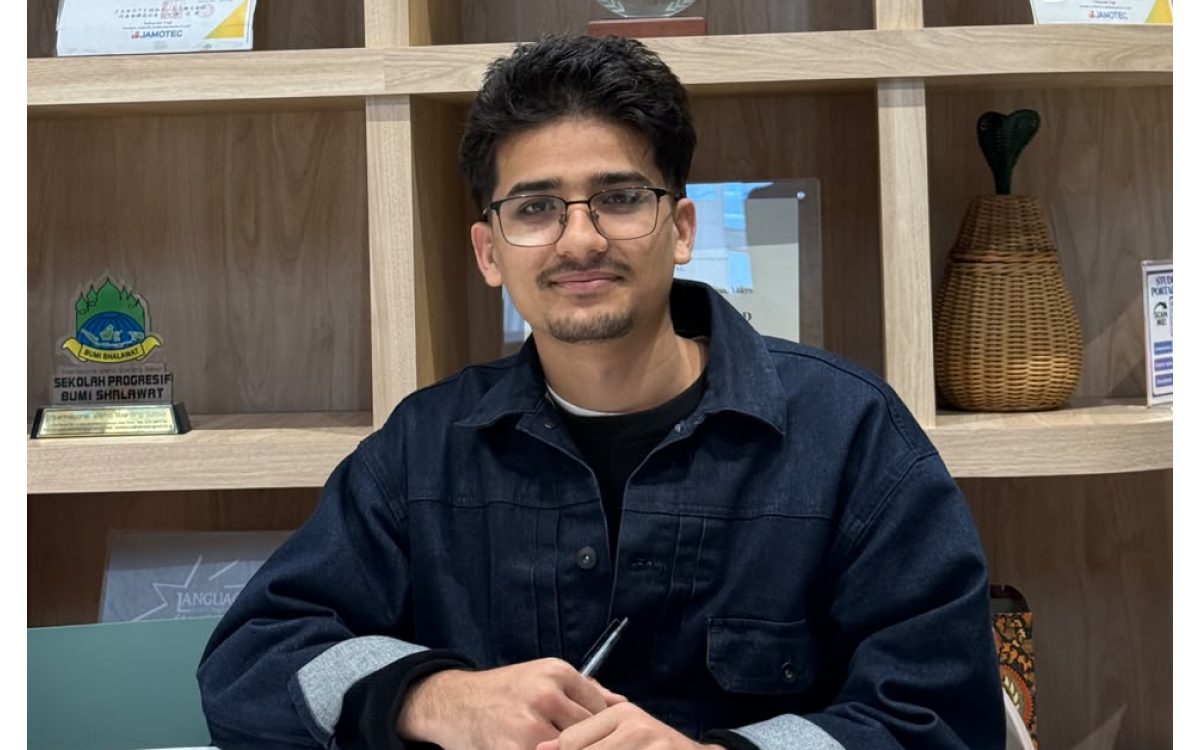
KARKI BADAL (Nepal / ISI Shinjuku Campus)
KARKI BADAL decided to study abroad with the intention of gaining expertise in the automotive industry and technology in Japan, where these fields have developed, while also wanting to become an independent person through living in a foreign country. Currently, they aim to acquire practical skills and necessary qualifications.
Q. How did you feel when you learned that you were selected as a scholarship recipient for the study encouragement fund?
I was very happy and filled with gratitude. Studying in Japan as an international student is not easy in terms of tuition and living expenses. I felt that my efforts were recognized, which became a great encouragement for me. I want to cherish this opportunity and continue to study hard to achieve my goals.
What did you particularly work hard on during your first year of study and school life?
A. Balancing Japanese language study and part-time work. I studied Japanese as much as possible every day, attended classes regularly, and worked on my homework. There were difficult aspects like kanji and grammar, but I continued studying without giving up. I also actively engaged in conversations with people around me in Japanese.
Q. How would you like to utilize the scholarship for your future learning?
I want to use the financial support for necessary study expenses such as tuition and textbook costs. By reducing the burden of living expenses, I hope to concentrate more on my studies. I am grateful for the support I have received and will use it responsibly and with care.
Q. Please tell me about the studies you want to challenge, the skills you want to acquire, and your future goals.
A. First, my goal is to pass the Japanese Language Proficiency Test N2. After graduating from Japanese language school, I plan to study automotive maintenance at Yomiuri Automotive University. I want to acquire practical skills and necessary qualifications, and in the future, I hope to gain experience in the Japanese automotive industry as a professional automotive mechanic.

RAI ABISHEK (Nepal / Shinjuku Campus)
Abhishek decided to study abroad in Japan due to his interest in Japanese culture and his desire to learn IT. He is currently dedicated to studying Japanese with the aim of advancing to a school where he can specialize in IT, particularly focusing on vocabulary, speaking skills, and kanji.
Q. How did you feel when you learned that you were selected as a scholarship recipient for the study encouragement fund?
A. At first, I was surprised. After that, I thought about how to use the support I received. Since it will provide financial assistance, I would like to use it for further education.
Q. What were the difficulties you faced while living and studying in Japan, and what strategies did you use to overcome them?
A. The language barrier was quite difficult. By working hard on studying Japanese words, speaking style, and kanji, I have gradually become accustomed to it.
Q. Please tell me about the studies you want to challenge, the skills you want to acquire, and your future goals.
I want to study IT and gain experience in a good company in the future.
Q. Finally, please give some advice to juniors who are considering studying abroad in Japan.
Japan is a place where effort surely yields results. Please consider studying abroad in Japan.
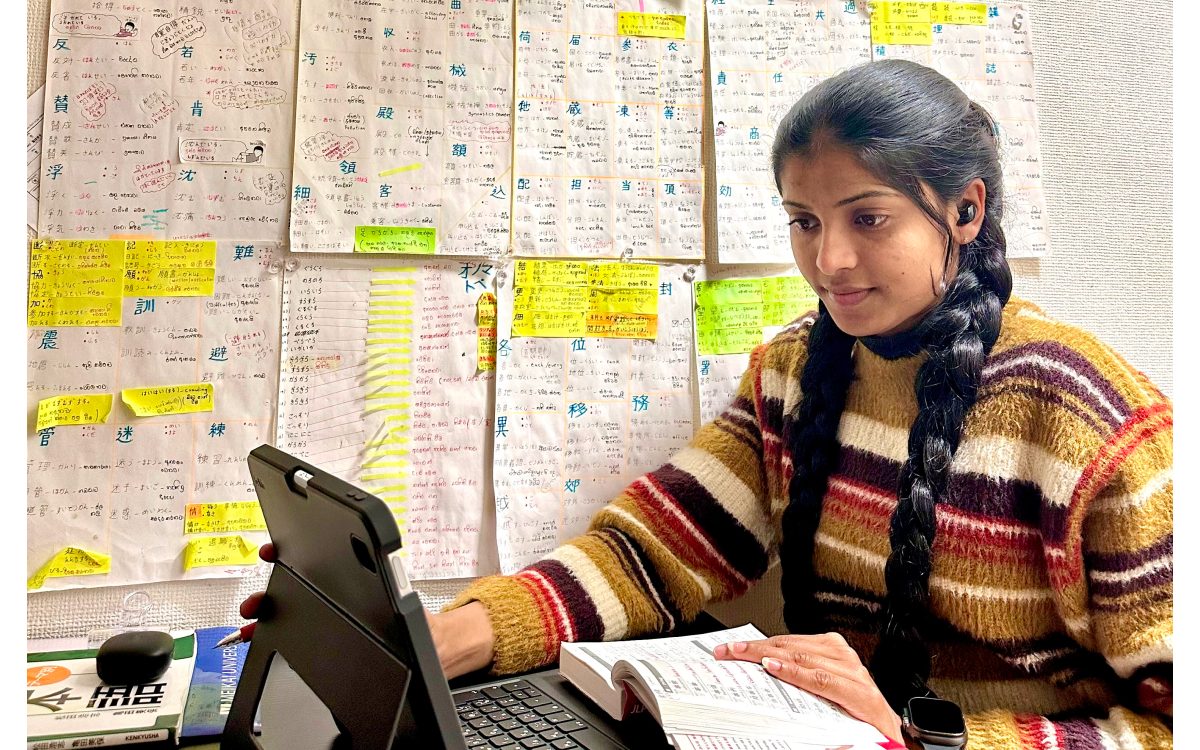
Kandage Don Uresha Damayanthi (Sri Lanka / ISI Takadanobaba School)
Damayanthi has been interested in Japanese technology and services since high school and has decided to study abroad in Japan. She is preparing for entrance exams and admission with the goal of working for an airline in the future.
Q. How did you feel when you learned that you were selected as a scholarship recipient for the study encouragement fund?
The moment I heard that I was hired by Mr. A, I was truly overwhelmed with joy. In Japan, where the educational standards are high, I felt a strong desire to work even harder as an international student. Rather than just being lucky, I believe this is the result of my continuous efforts and not giving up until now. I will remember this joyful feeling and my efforts, and I will continue to do my best.
What did you particularly work hard on during your first year of study and school life?
I have continued to attend school without being late or absent since coming to Japan, achieving a 100% attendance rate. Additionally, I committed to studying hard to pass the N2 level within my first year and was able to pass it in December 2025.
Q. What were the difficulties you faced while living and studying in Japan, and what strategies did you use to overcome them?
A. When I started living alone and had to handle various procedures by myself, there were times when I felt down. At that time, my Japanese was still not sufficient, and I often faced difficulties. However, instead of giving up because it was hard, I decided to overcome the challenges, and I continued to study every day while also trying new things.
Q. Please tell me about the studies you want to challenge, the skills you want to acquire, and your future goals.
I want to work in a job that involves interacting with people in the future. My goal is to pursue a field of study specializing in tourism and to become ground staff for a five-star rated airline, utilizing what I learn there. I aim to be a person who can contribute not only within Japan but also to the international community.
BOUSSEBOUA AHMED AMINE (Algeria / ISI Kyoto Campus)
Bousseboua Ahmed Amine initially struggled with life and communication in Japanese upon arriving in Japan, but he consciously engaged with the Japanese people and overcame those difficulties by repeatedly asking questions to teachers and friends. He now wishes to focus on studying automotive technology and mechanical engineering.
Q. Please tell me what prompted you to decide to study abroad in Japan.
I was interested in the Japanese automobile industry. Japan has a high level of automotive technology and education, so I wanted to study there. I was also interested in Japanese culture.
What did you particularly work hard on during your first year of study and school life?
The most effort I put in was studying Japanese. Additionally, I focused on balancing part-time work and studies while maintaining my attendance rate and grades.
Q. How would you like to utilize the scholarship for your future learning?
Thanks to the scholarship, I believe I can reduce my part-time work hours and concentrate more on my studies. I want to study hard towards my future goals.
Q. Please tell me about the studies you want to challenge, the skills you want to acquire, and your future goals.
I want to study automotive technology and mechanical engineering. I will also work on improving my Japanese to aim for N2 and N1 levels. In the future, I want to use the knowledge and skills I learned in Japan to contribute to the development of my home country.
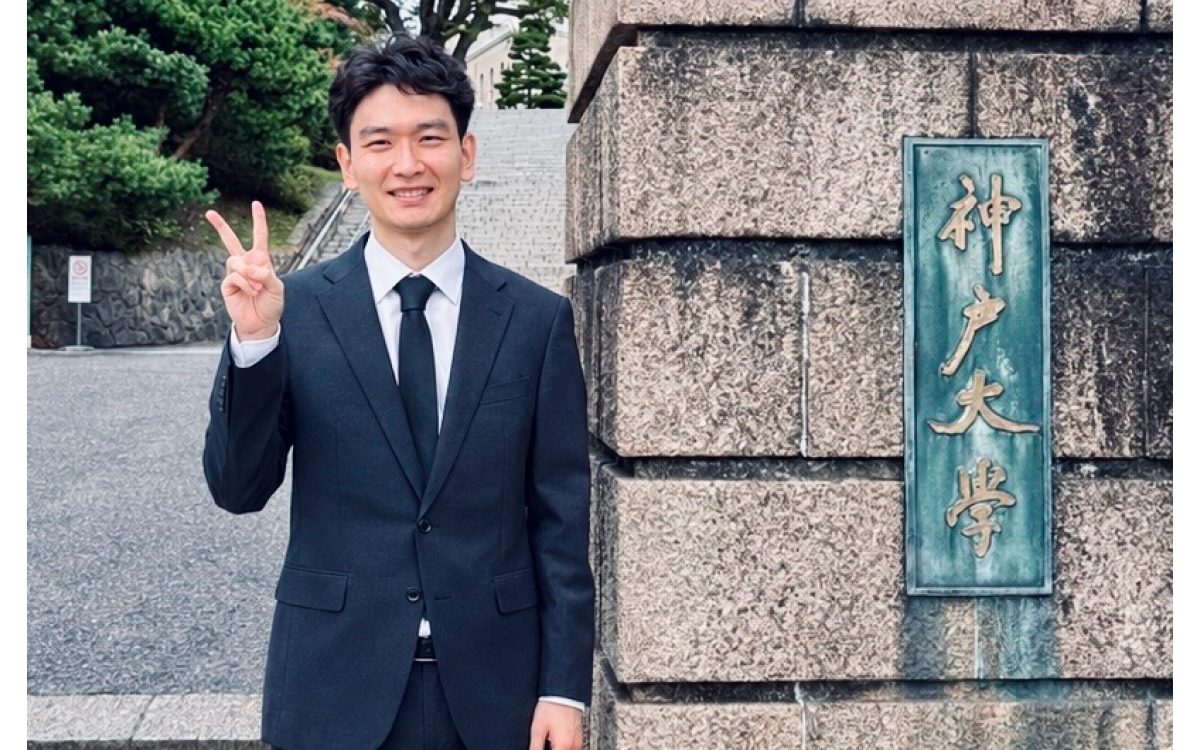
Yin Guoxin (China / ISI Osaka Campus)
In Guoxin has long been fond of Japanese culture, anime, and games, and decided to study abroad due to a longing for life in Japan. They are working hard to improve their Japanese conversation skills and study for graduate school entrance exams, having been accepted into the Graduate School of Kobe University (Information Systems), and are refining their Japanese skills at ISI until enrollment.
Q. How did you feel when you learned that you were selected as a scholarship recipient for the study encouragement fund?
I was very happy to know that my efforts were recognized. Receiving financial support has eased my anxiety and burden regarding further education, allowing me to concentrate more on my studies. I am truly grateful.
What did you particularly work hard on during your first year of study and school life?
I focused particularly on studying for the graduate school entrance exams and improving my Japanese conversation skills. I systematically progressed in my studies of specialized subjects while also making an effort to actively speak Japanese in my daily life. As a result, I was able to pass the entrance exam.
Q. Please tell me about the studies you want to challenge, the skills you want to acquire, and your future goals.
My goal is to continue improving my Japanese conversation and listening skills and to score over 160 points on the Japanese Language Proficiency Test N1. In graduate school, I plan to acquire specialized knowledge and practical skills, which I hope will help me find a job in Japan in the future.
Q. Finally, please give some advice to juniors who are considering studying abroad in Japan.
A. I recommend studying Japanese as much as possible before coming to Japan. If your Japanese skills are insufficient, you will often struggle in both daily life and academic matters. Additionally, for those aiming to continue their studies, I want to emphasize that not only effort but also the choice of path is very important. Set high goals, carefully choose a research field and laboratory that suits you, and make choices that you will not regret.
Congratulations to the nine students who have been selected as scholarship recipients. The accumulation of your serious efforts in daily classes has led to this selection. All of us at ISI Japanese Language School will continue to fully support you in achieving your goals.



An experienced counselor will propose the optimal plan tailored to your objectives.